Roofing and Roof Repairs: Expert Guide
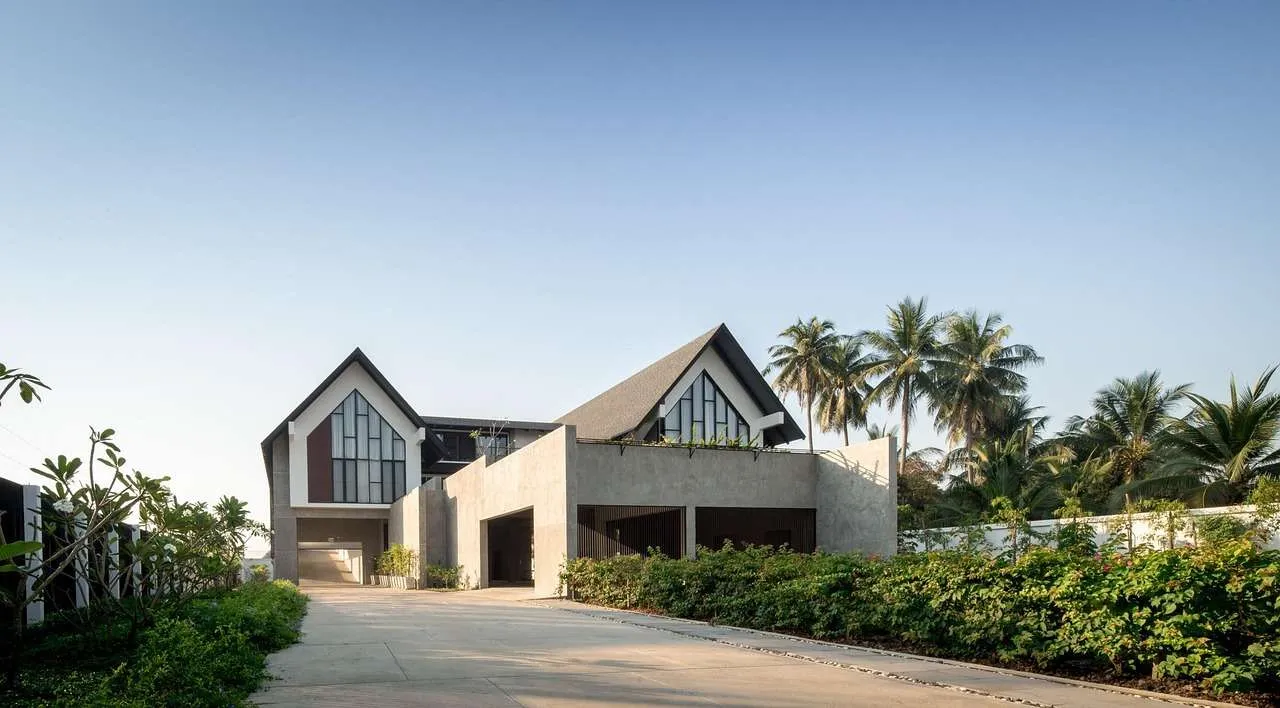
Roofing forms the first line of defense against weather. When it wears out or sustains damage, it can lead to leaks, drafts, and higher energy bills. This guide on roofing and roof repairs helps homeowners assess damage, compare materials, find qualified contractors, and maintain a roof that lasts.
Understanding Roofing and Roof Repairs
Roofing refers to the system that keeps rain out and shields the interior from sun and wind. Roof repairs fix leaks, damaged flashing, worn shingles, and other vulnerabilities. Regular checkups can catch problems early, saving larger costs later. For most homes a professional assessment every few years or after severe storms is prudent.
Planning Your Roofing Project
Start with a professional inspection to determine the scope. Gather at least two written estimates, review warranty terms, and confirm permit requirements with your local authority. Schedule repairs during mild weather to avoid delays. Consider life cycle costs as well as upfront price when comparing options.
Choosing Materials and Styles
Shingles, Metal, and Tiles
Shingles are affordable and versatile, with asphalt being common. Metal roofs offer durability and wind resistance but can cost more up front. Tile and slate provide long life and distinct aesthetics but add weight to the structure. Your choice should balance climate, roof pitch, and budget.
Energy Efficiency and Ventilation
Ventilation and proper insulation reduce heat gain in summer and heat loss in winter. Some roofing systems include reflective coatings or cool roofing materials to lower cooling costs. A pro can advise on the best combination for your home.
Finding a Qualified Roofing Contractor
Work only with licensed roofers who carry liability and workers compensation insurance. Request written estimates with itemized material and labor costs, check references, and verify warranties on both materials and workmanship. Ask about safety plans, project timelines, and cleanup standards. Certifications from recognized manufacturers indicate adherence to industry standards.
Common Roof Repair Scenarios
- Leaks around flashing or chimneys
- Damaged or missing shingles after storms
- Blocked or damaged gutters causing standing water
- Poor ventilation leading to ice damming or mold
Costs, Timelines, and Warranties
Actual costs vary by material, roof size, and complexity. A typical roof inspection is a few hundred dollars, while repairs range from a few hundred to several thousand. A full roof replacement often carries a 20 to 30 year warranty on materials and a separate workmanship warranty.
| Service | Pros | Cons | Typical Cost |
|---|---|---|---|
| Roof inspection | Identifies hidden issues early | Must be done by pro to be accurate | 100–300 |
| Emergency leak repair | Stops water fast | Higher labor due to urgency | 150–600+ |
| Shingle repair | Affordable patch | Temporary if underlying damage | 150–450 |
| Flashing repair | Prevents leaks around chimneys and vents | Can require roof access | 200–700 |
| Full roof replacement | Long lasting with warranty | Most disruptive and costlier | 5,000–15,000 |
Preventive Maintenance and Long-Term Care
Schedule annual or bi annual inspections, clean gutters, trim overhanging branches, and remove debris from the roof. Keep your attic ventilated and insulated to protect the deck. Address moss or algae growth promptly to prevent damage.
Summary: By understanding roofing and roof repairs, you can plan proactively, select durable materials, hire qualified professionals, and maintain your roof to extend its life and protect your home.